AeroChat WhatsApp integration: A Practical Guide to Faster Customer Conversations
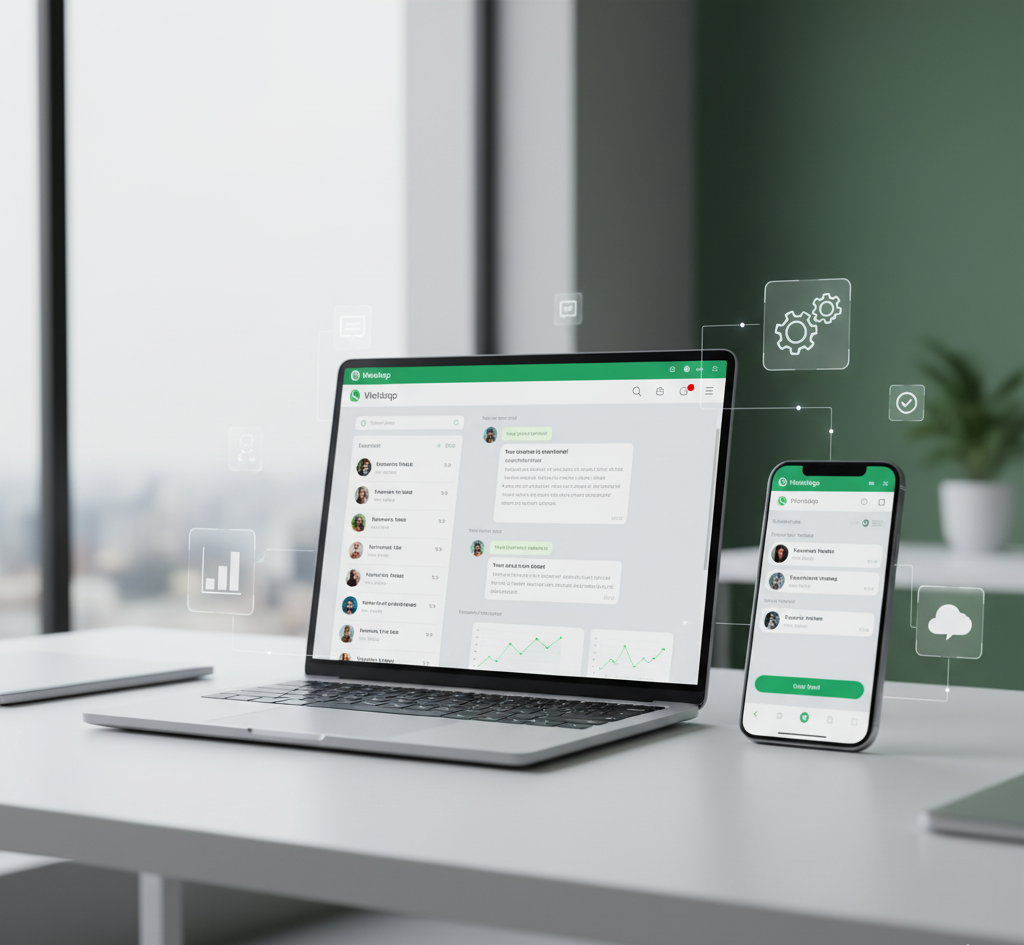
In today’s fast-moving market, customers expect to reach businesses where they already spend time and for many people that place is WhatsApp. An effective AeroChat WhatsApp integration lets teams handle queries, share media, and convert conversations into sales without switching between siloed tools. This article explains the benefits, technical considerations, best practices, and real-world use cases so you can decide whether WhatsApp should be central to your customer communication strategy.
Why WhatsApp matters for business
WhatsApp is one of the most-used messaging apps worldwide. Its ubiquity brings three major advantages for companies:
Higher reach and familiarity
Customers prefer messaging apps over email or phone for quick questions. Because WhatsApp is familiar and mobile-first, response rates are typically higher than traditional channels.
Faster conversations and richer context
Messages, photos, documents, voice notes, and quick replies let support and sales teams resolve issues faster and with less friction than email threads or voicemail.
Better engagement and retention
When businesses respond quickly and personally on WhatsApp, customers often report higher satisfaction and repeat purchase rates.
Key features to expect from a solid WhatsApp integration
A well-built WhatsApp integration should do more than simply forward messages. Look for these features:
- Unified inbox: Messages from multiple WhatsApp numbers, channels, and sources appear in one shared workspace.
- Automations and templates: Quick replies, message templates approved by WhatsApp, and automation flows reduce repetitive work.
- Media handling: Support for images, short videos, PDFs, and voice notes without loss of quality.
- Contact enrichment: Customer data (order history, CRM notes) visible alongside the chat for faster context.
- Routing & SLAs: Smart routing to the right agent and service-level agreement tracking.
- Analytics: Chat volume, response times, conversion rates, and message performance metrics.
Technical considerations and compliance
Before connecting your business to WhatsApp, there are a few technical and legal pieces to handle:
WhatsApp Business API vs. consumer app
Large-scale, multi-agent deployments require the WhatsApp Business API (not the consumer app). The API supports multiple agents, templates, and programmatic messaging but requires approval and configuration AeroChat.
Phone number and verification
You’ll need a dedicated phone number and to complete verification. If migrating from an existing account, backup messages and plan a short transition window.
Message templates and opt-in
Templates (for notifications or proactive messages) must be pre-approved by WhatsApp and used responsibly. Businesses must obtain customer opt-in before sending transactional or promotional messages.
Data privacy and storage
Store customer data securely and comply with local laws (e.g., GDPR-style controls where applicable). Ensure media and logs are encrypted and retention policies are defined.
Practical setup checklist
Use this checklist to evaluate and implement an AeroChat WhatsApp integration quickly:
- Define goals: support, sales, notifications, or a mix?
- Choose the right plan: single agent vs. multi-agent/API solution.
- Prepare phone number: separate, verified number for the Business API.
- Secure templates & opt-ins: write and submit WhatsApp templates for approval; capture consent in your sign-up flows.
- Train agents: messaging etiquette, quick replies, escalation rules.
- Integrate with CRM: show customer history and order data alongside each chat.
- Set SLAs & automation: auto-assign chats, set working hours and fallback flows.
- Monitor & iterate: track response time, resolution rate, and customer satisfaction.
Best practices to get the most from WhatsApp
Adopt these habits to maximize ROI from your WhatsApp conversations:
- Keep messages short and personal: use customers’ names and reference recent interactions.
- Leverage quick replies: reduce typing time and keep tone consistent.
- Use structured templates: for order confirmations, delivery updates, and appointment reminders.
- Respect timings: send non-urgent messages during reasonable local hours.
- Measure outcomes: tie conversations to conversions or support KPIs.
Common use cases
WhatsApp integration works across many departments:
- Customer support faster troubleshooting with photos and voice notes.
- Sales quick qualification chats and product demos via video snippets.
- Logistics delivery updates, ETA confirmations, and proof-of-delivery media.
- Marketing (opt-in only) flash offers or event reminders to opted-in customers.
Implementation story
A mid-sized ecommerce team connected their support system to WhatsApp to reduce return-related emails. Using a shared inbox, automated order-template replies, and the ability to accept return photos via chat, they cut average resolution time from three days to under 24 hours and increased repeat purchase rate through faster trust-building replies.How long does it take to set up WhatsApp for a team?
Setup for a small team can be completed in a few days (phone number, templates, agent onboarding). Larger, API-based deployments with CRM integration typically take 2–6 weeks depending on approvals and custom workflows.Will WhatsApp messages count toward my support hours?
Yes, treat WhatsApp like any other support channel. Define SLA targets, monitor response times, and allocate staffing accordingly.Can I send promotional messages via WhatsApp?
Promotional messaging is possible only to users who have explicitly opted in. Templates for such messages must follow WhatsApp policies and get prior approval.Is WhatsApp secure for sharing order details or invoices?
WhatsApp uses end-to-end encryption for personal chats. For business and compliance needs, confirm how your provider stores logs and whether additional encryption or anonymization is required.What metrics should I track?
Track response time, first-contact resolution, conversion rate from chat to sale, and CSAT (customer satisfaction) scores.
Integrating WhatsApp into your customer workflow offers an approachable, high-engagement channel that shortens response loops and deepens customer relationships. By planning for API requirements, data privacy, and agent training, you can deliver fast, personal conversations that scale. If your customers prefer messaging, a carefully implemented WhatsApp strategy will often pay for itself in improved satisfaction and increased conversions.