best WhatsApp chat assistant: How to Choose, Build, and Scale One for Your Business
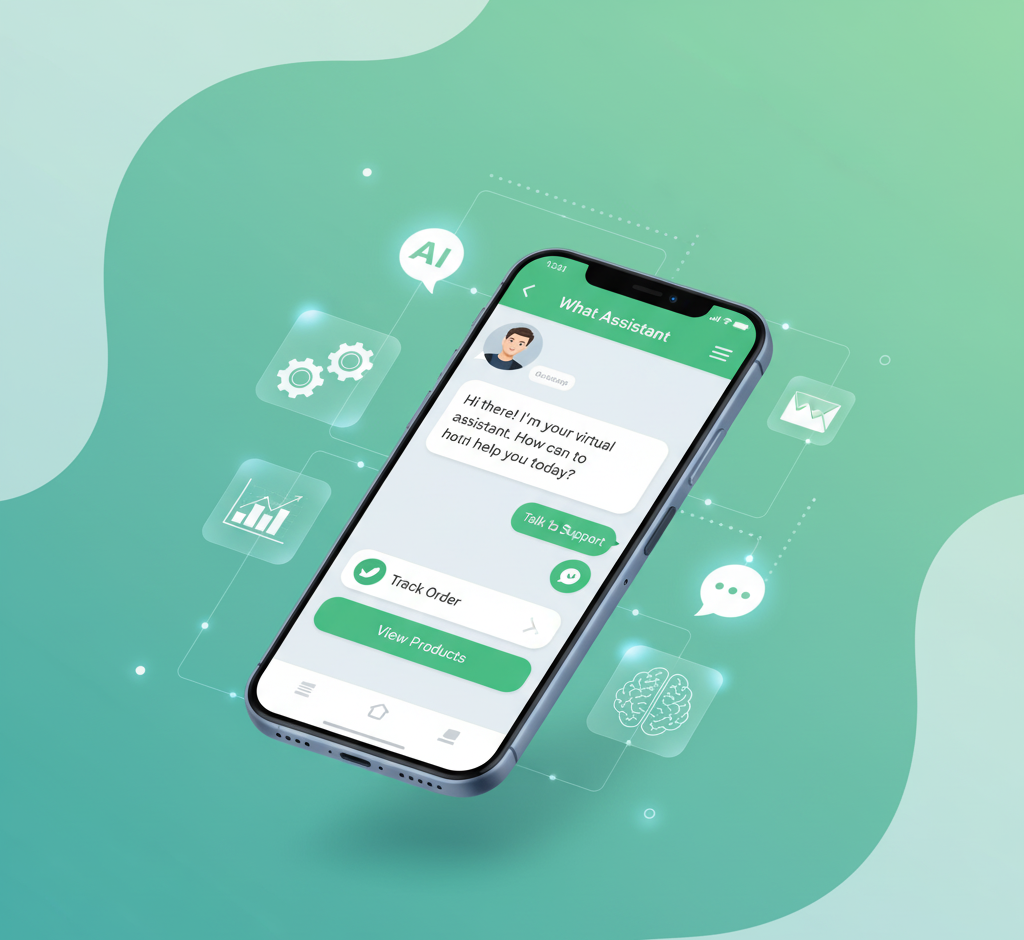
Finding the right tool to manage conversations on WhatsApp can transform customer experience. In this article I explain what to look for in the best WhatsApp chat assistant, how to set one up, and how to measure success. The goal is practical advice you can apply today, broken into clear steps and real-world suggestions.
Best WhatsApp chat assistant
A best WhatsApp chat assistant is an automated or semi-automated system that handles incoming messages on WhatsApp. It answers FAQs, routes complex requests to human agents, and can trigger transactions or follow-ups. The primary benefit of the best WhatsApp chat assistant is to combine speed with relevance so customers get what they need without friction. When chosen and designed well, the best WhatsApp chat assistant reduces wait times and improves customer satisfaction across the board.
What is a best WhatsApp chat assistant?
A best WhatsApp chat assistant operates within WhatsApp’s messaging environment, using templates, quick replies, and media to create guided experiences. Rather than forcing customers into long forms or confusing menus, the best WhatsApp chat assistant offers short, actionable choices and knows when to escalate to a live person. That handoff capability is a core differentiator between helpful automation and annoying automation.
Why pick the best WhatsApp chat assistant?
Choosing the best WhatsApp chat assistant lets businesses meet customers where they already are: on mobile, in a single-threaded conversational flow. The right assistant improves response time, reduces repetitive agent tasks, and can even drive measurable revenue through conversational commerce features. A carefully designed best WhatsApp chat assistant can be a visible productivity multiplier for small and large teams.
Key features to look for in the best WhatsApp chat assistant
A checklist of essential capabilities:
- Template and message management: Approved templates for outbound messages and flexible, reusable message blocks for inbound flows. A best WhatsApp chat assistant handles templates cleanly and enforces platform rules.
- Human handoff and context preservation: When the assistant escalates, the human agent sees history and form fields collected by the assistant. This handoff makes the best WhatsApp chat assistant genuinely useful in hybrid workflows.
- CRM and backend integrations: The assistant should fetch order status, update tickets, log conversations, and push leads to the sales pipeline. The best WhatsApp chat assistant keeps data synchronized between systems.
- Analytics and optimization tools: Metrics like first response time, resolution rate, and deflection percentage matter. The best WhatsApp chat assistant exposes these metrics so teams can iterate.
- Security & compliance: End-to-end privacy controls, role-based access, and retention policies are necessary. The best WhatsApp chat assistant includes best practices for data handling.
Designing conversations for the best WhatsApp chat assistant
Good conversational design is simple and customer-centric. Start by mapping common user intents and then design short flows that solve those intents with minimal friction. Use quick reply buttons and guided menus instead of long text blocks. When in doubt, prefer clarity: a single, actionable option beats several vague choices. Test flows with real users and tune prompts until completion rates rise.
Tone and language
Match the assistant’s tone to your brand voice friendly, professional, or playful as appropriate but always keep messages concise. The best WhatsApp chat assistant sounds human even when it’s automated: short sentences, clear confirmations, and short follow-ups when necessary.
Fallbacks and handoffs
Plan fallback strategies and clear escalation paths. If the assistant cannot resolve an issue within two or three steps, offer a human agent. The best WhatsApp chat assistant collects context so the human agent does not ask the same questions twice.
Implementation steps for the best WhatsApp chat assistant
- Define goals: Decide whether the priority is faster first response, cost savings, lead capture, or direct sales. A focused goal helps prioritize flows. The best WhatsApp chat assistant works toward measurable outcomes.
- Choose a platform: Pick a provider with solid WhatsApp Business integration, template management, and developer support. A mature platform makes the best WhatsApp chat assistant easier to deploy.
- Map and script flows: Identify top use cases and write short, testable scripts. Keep messages brief and actionable.
- Integrate systems: Connect CRM, order management, and billing systems so the assistant can fetch and update records. The best WhatsApp chat assistant relies on these integrations to be effective.
- Pilot and iterate: Launch a limited pilot, gather metrics and feedback, then expand. The best WhatsApp chat assistant improves quickly when teams monitor actual conversations and refine scripts.
Technical and operational considerations
- Ensure secure endpoints and encrypted data transfer.
- Follow WhatsApp’s rules for opt-in and template usage.
- Provide an operations playbook for monitoring, incident response, and updates.
Measuring success and improving the best WhatsApp chat assistant
Track these KPIs: first response time, resolution rate, percentage of inquiries resolved without humans, CSAT (customer satisfaction), and conversion rate for commerce flows. Use conversational analytics to identify where users drop off and which messages cause friction. Continuous improvement is the hallmark of the best WhatsApp chat assistant.
Best practices and pitfalls to avoid
- Avoid over-automation: Don’t block human access. The assistant should empower agents, not replace judgement.
- Keep messages short: Mobile users prefer quick choices. Long messages reduce completion rates.
- Respect privacy and consent: Always get opt-in and offer clear opt-out options.
- Test edge cases: Unexpected inputs, attachments, and rapid message bursts can break naive flows prepare fallbacks.
Use cases and examples
Retailers deploy assistants for order status, cart recovery, and returns. Service providers use assistants for appointment booking and reminders. SaaS companies use them for onboarding checklists and billing notifications. Across industries, the best WhatsApp chat assistant is the one that aligns to the most common, repeatable customer needs and frees humans to handle exception cases.
Operational checklist before launch
- Test flows end-to-end with real users.
- Confirm CRM and payment integrations.
- Secure templates and legal approvals for messages.
- Train agents on handoff procedures.
- Set monitoring alerts for degraded performance.
To sum up, the right assistant blends automation with human judgment, measurably improves service, and integrates tightly with business systems. For teams that want to prototype quickly, consider a platform such as AeroChat.Start with one high-value flow, measure results, and expand. The steady accumulation of small improvements yields a chat experience customers prefer and teams rely on—exactly what the best WhatsApp chat assistant is designed to deliver.What common tasks can a chat assistant handle?
Common tasks include order tracking, appointment booking, answering frequently asked questions, collecting customer details, and initiating returns. These tasks save agent time and provide instant responses for customers.How do I measure whether the assistant is working well?
Track metrics such as first response time, resolution rate, deflection rate (issues solved without human help), and customer satisfaction scores. Tie these outcomes to business goals like reduced support cost or increased retention.Will automation replace human agents?
Automation is meant to assist, not replace. It handles repetitive tasks so agents can focus on complex or sensitive conversations. A good deployment includes clear escalation paths and shared context for handoffs.How should I start if I have limited resources?
Start with a high-value, narrow flow such as order status or simple FAQs. Pilot with a small group, measure impact, and expand gradually. This approach controls risk and delivers measurable ROI early.
